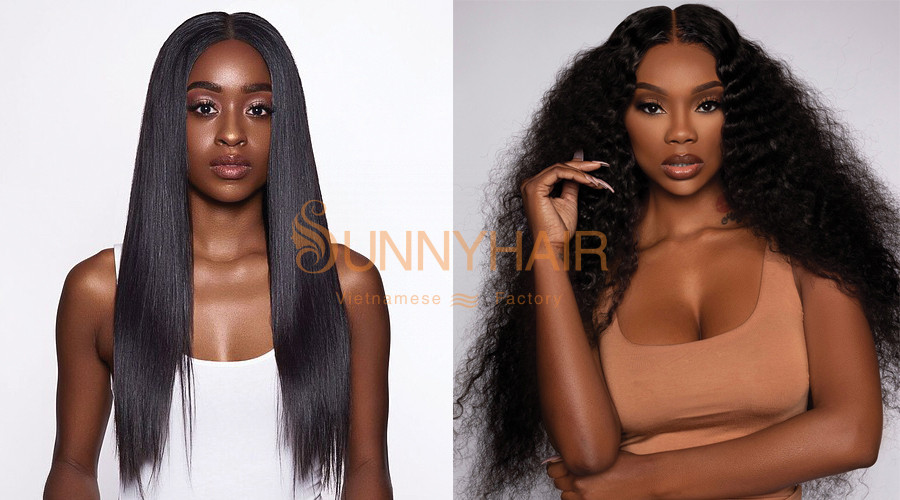
Raw Hair Bundles Guide—Quality, Price, and Care
If you work in the hair industry—or even if you’re simply passionate about hair extensions—you’ve probably heard the term “raw hair” everywhere. It’s praised for its purity, durability, and luxurious look, making it one of the most desirable materials for premium hair extensions. However, the rise in demand has also led to confusion, mixed quality on the market, and sellers mislabeling products.
This guide will help you understand what raw hair bundles truly are, how they compare to other types, how to test their authenticity, and what you should know before buying.
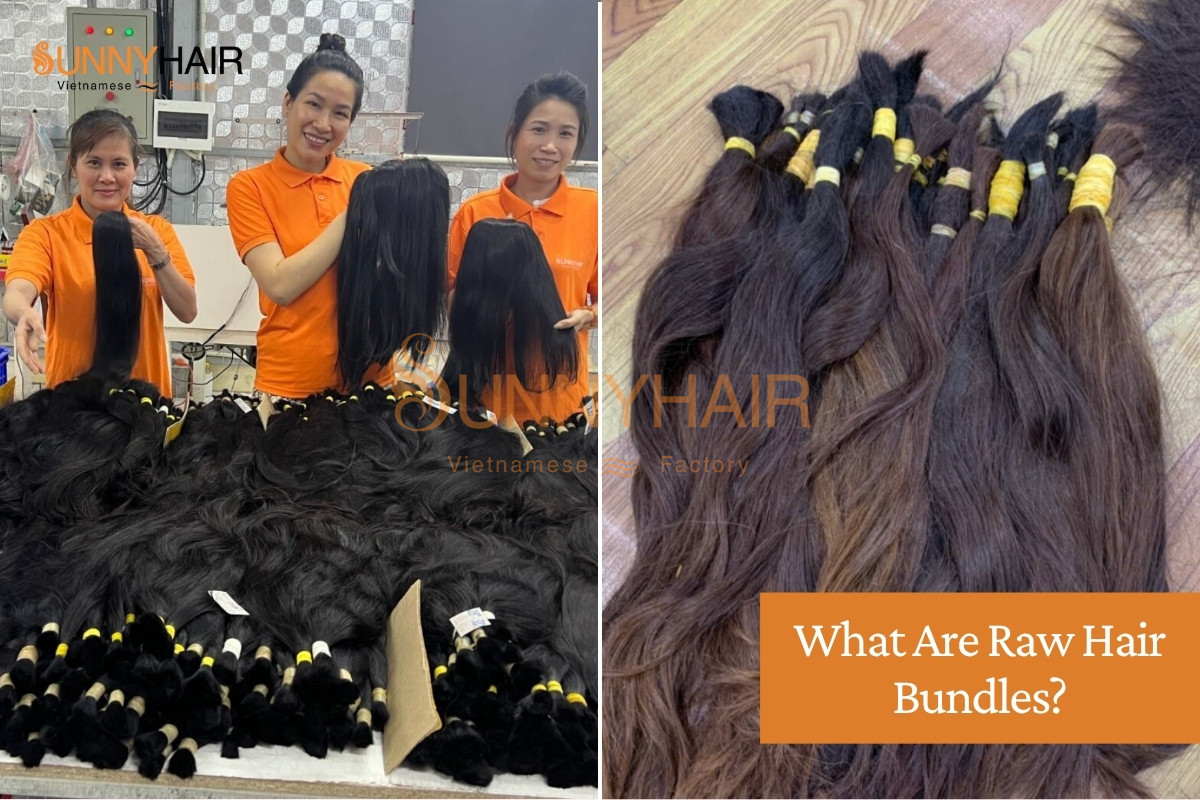
What Are Raw Hair Bundles?
Raw hair is the most natural and unprocessed form of human hair available on the market. It comes from a single donor or a small number of donors—usually from regions with strong, healthy hair, such as Southeast Asia, India, or Cambodia. It remains completely untouched by dyes, perms, or chemical treatments. That means:
- No steam processing
- No coloring
- No silicone coating
- No texture alteration
The hair retains its original cuticles, neatly aligned from root to tip. Because it has not undergone chemical changes, raw hair reacts just like natural human hair when exposed to heat, styling, humidity, and care routines.
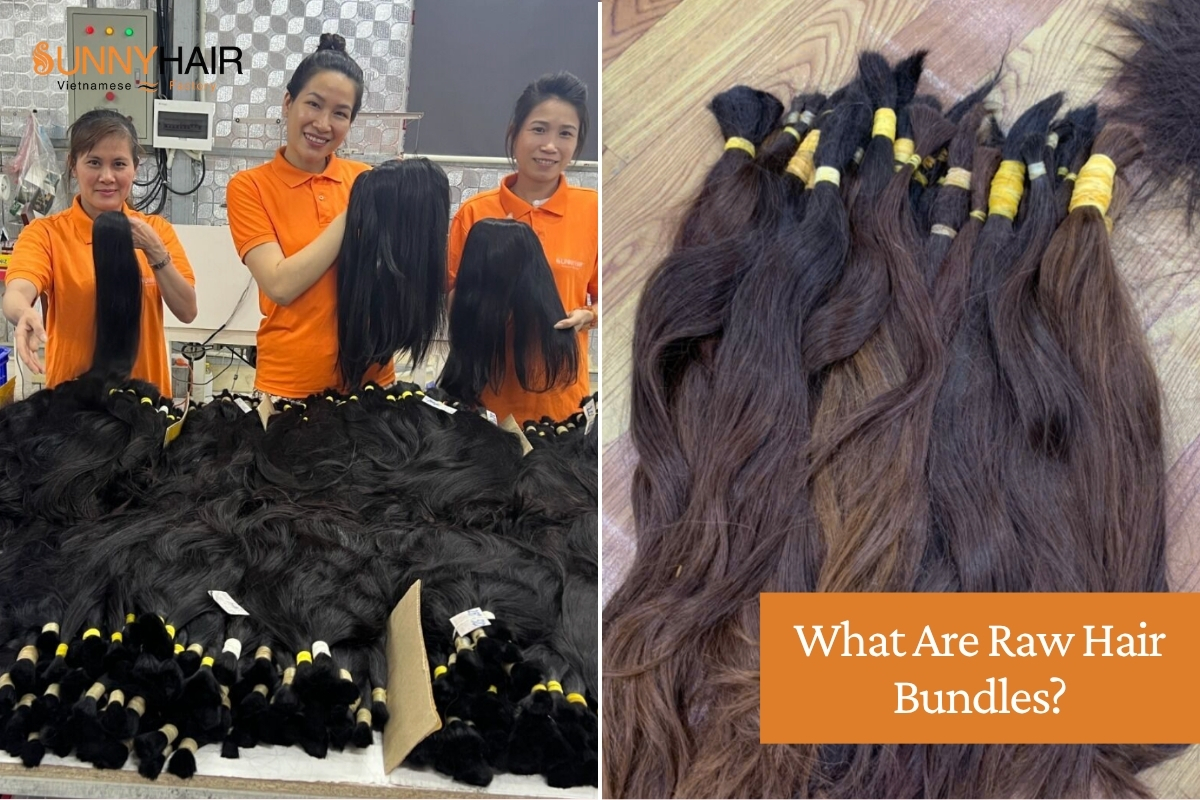
What defines premium raw hair bundles
What Defines Premium Raw Hair Bundles
The quality of raw hair is significantly higher than most other hair types.
1. Cuticle-Aligned
Because the cuticles remain intact and aligned in the same direction, raw hair is smooth, tangle-free, and long-lasting.
2. Strong, Natural Strands
Raw hair often comes from donors with strong lifestyles and simple hair routines, resulting in strands that are thick, full, and resilient.
Learn more: Hand-Tied Weft Extensions Wholesale Guide 2025
3. Long Lifespan
Raw hair bundles can last 3–5 years, sometimes even longer with proper care—far exceeding the lifespan of processed hair.
4. Natural Movement & Texture
Raw hair doesn’t have the stiffness or artificial shine caused by silicone. It moves naturally and blends beautifully with many hair types.
Pros and Cons of Raw Hair Bundles
Even though raw hair is premium, it isn’t perfect for everyone. Understanding the benefits and drawbacks helps you guide clients and choose wisely.
Pros
- Unmatched durability (years of usage)
- Natural shine without silicone
Color-friendly—can be dyed or bleached easily - Styles beautifully (curls hold well, straight hair stays sleek)
- Minimal tangling and shedding
- More ethical sourcing from real donors
Cons
- Higher cost compared to virgin or Remy hair
Limited availability because supply depends on real donors - Inconsistent patterns—since it's unprocessed, no two bundles are exactly identical
- Requires proper care, similar to natural hair
Common Hair Types and How Raw Hair Compares
Now that you understand the nature of raw hair, it’s easier to compare it with other common types on the market. Below is an overview of how raw hair stacks up against virgin hair, Remy hair, and low-quality synthetic or processed hair.
Raw Hair vs. Virgin Hair
“Virgin hair” technically means hair that has not been chemically processed, but today many sellers misuse the term.
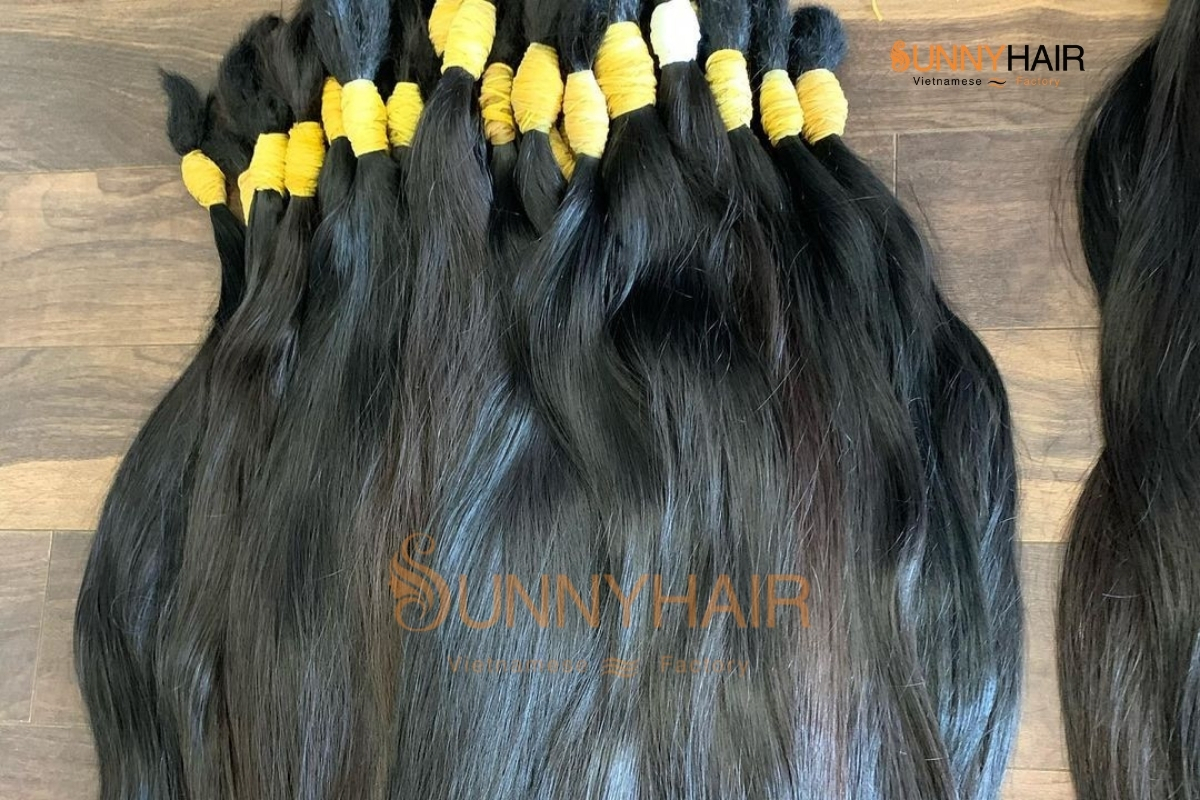
Unprocessed raw hair
Differences:
- Raw hair is completely unprocessed, including no steam processing.
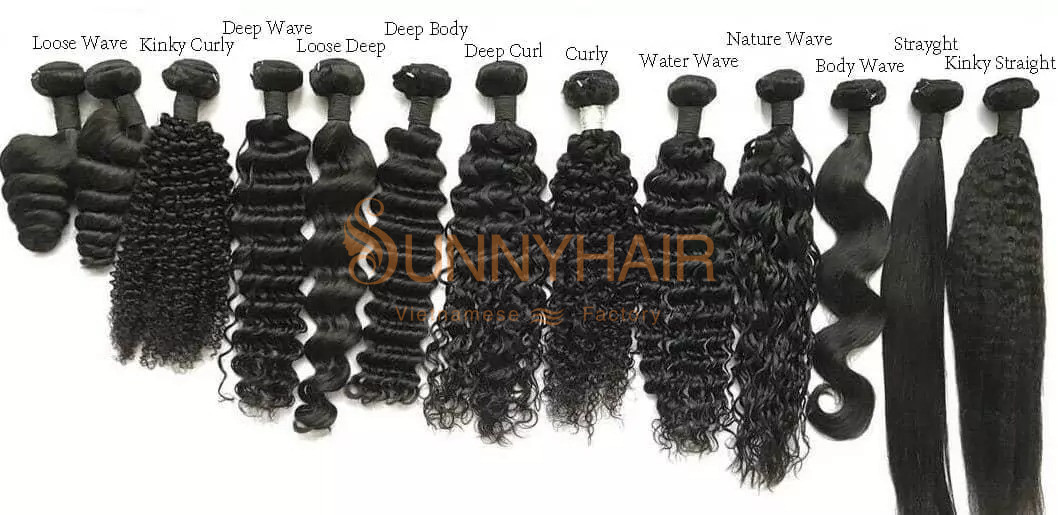
- Virgin hair may still undergo steam processing to create textures like deep waves or kinky curly.
- Raw hair blends more naturally and lasts longer.
Read more: Find the Best: Raw Hair Vendors You Can Trust in 2025
Raw Hair vs. Remy Hair
Remy hair refers to hair with aligned cuticles, collected in a consistent direction to prevent tangling.
Differences:
- Remy hair can be chemically treated or coated with silicone.
- Raw hair is higher quality, longer-lasting, and more natural looking.
Raw Hair vs. Low-Quality/Non-Remy Hair
Low-quality hair is often mixed from multiple sources, collected from floors or brushes, then treated with harsh chemicals and silicone to appear smooth.
Differences:
- Raw hair lasts years, while low-quality hair lasts weeks to months.
- Raw hair can be washed, styled, and colored—while cheap hair tangles, breaks, and melts under heat.
How to Identify Real Raw Hair
With so many hair types on the market, spotting true raw hair can be challenging. Knowing what to look for helps you avoid processed bundles and invest in authentic quality.
1. The Steam Test
Raw hair has natural patterns. If curls look too uniform or identical, they were likely steam-processed—not raw.
2. The Smoke Test
Burn a small strand:
- Raw hair burns slowly and smells like real human hair.
- Synthetic or processed hair curls up quickly and smells like plastic.
3. The Texture Consistency Test
Real raw bundles are never perfectly identical. Small differences are perfectly normal and should be expected
4. Water Test
When soaked, raw hair:
- Becomes heavier
- Returns to its natural pattern
- Shows no silicone residue
5. Cuticle Test
Move your fingers through the length of the hair:
- You should file cuticles from root to tip.
- Hair should not feel overly slick or coated.
Price of Raw Hair
The price of raw hair is naturally higher than most processed options because it is sourced directly from donors, unaltered, and kept with full cuticles intact. Its durability, natural appearance, and long lifespan make it a premium investment.
Raw hair prices typically vary based on several factors:
- Length: Longer bundles cost more due to scarcity and limited donor availability.
- Origin: Hair from regions known for strong, healthy strands—such as Vietnam, Cambodia, India, or Burma—often comes at a higher price.
- Donor consistency: Single-donor bundles are more expensive than mixed-donor hair because they offer unmatched uniformity and quality.
- Rarity of texture: Natural straight or rare curl patterns may cost more depending on demand.
- Ethical sourcing: Vendors who collect hair transparently and fairly tend to have higher, but more trustworthy, pricing.
How to Care for Raw Hair
Raw hair behaves just like naturally growing human hair, which means the better you treat it, the longer it will stay soft, shiny, and manageable. Follow these simple care steps to keep your bundles looking their best.
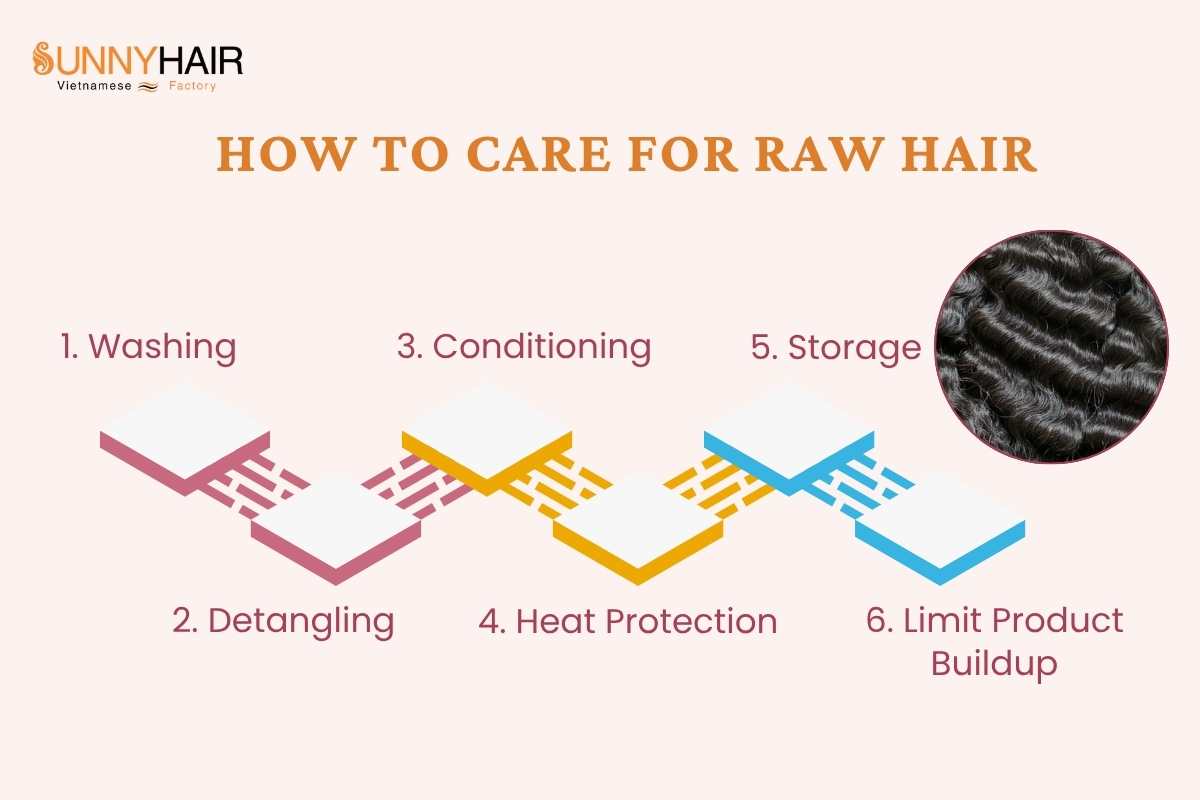
Keep Your Raw Hair Soft, Smooth & Long-Lasting
1. Washing
Use a sulfate-free shampoo and a rich, moisturizing conditioner to avoid stripping the hair. Focus on hydrating the mid-shaft to the ends, where the hair tends to be drier.
2. Detangling
Always detangle before washing to prevent unnecessary shedding. Use a wide-tooth comb or gently separate the strands with your fingers, starting from the ends and working your way up.
3. Conditioning
Deep condition the hair every 2–3 weeks to maintain softness, elasticity, and natural movement. Leave the conditioner on long enough for the nutrients to fully absorb.
4. Heat Protection
If you use curling irons, straighteners, or blow-dryers, always apply a heat protectant first. This helps prevent dryness and keeps the cuticles smooth.
5. Storage
Store your raw hair bundles properly to maintain shape and prevent frizz. You can keep them:
- In silk or satin bags
- On wig or bundle hangers
- Keep it in a dry environment, protected from humidity
6. Limit Product Buildup
Avoid heavy oils, butter-based creams, or silicone-packed products. They can weigh the hair down and diminish its natural texture, shine, and movement.
Other blogs: 24 inch hair: Your Guide to Achieving Perfect Long Locks
Common Mistakes to Avoid When Buying Raw Hair Bundles
When buying raw hair bundles, it’s surprisingly easy to mistake processed hair for the real thing—especially with how convincing modern treatments have become. To protect your investment and ensure you’re getting authentic, long-lasting hair, watch out for these often-overlooked mistakes.
- Trusting “raw hair” labels without checking the seller’s transparency on donor origin or collection methods
- Choosing bundles that look overly silky or identical from root to tip—usually a sign of steam processing or silicone coating
- Ignoring subtle natural markers like slight frizz, uneven strand thickness, and natural color variations
- Falling for ultra-low prices that don’t match the typical cost of ethically sourced, single-donor raw hair
- Skipping the stretching test to check whether the curl or wave pattern snaps back naturally
- Forgetting to ask whether the cuticles are fully intact and aligned in the same direction
- Buying from vendors who avoid providing raw, unfiltered photos or videos of the actual bundles
Overlooking return policies, authenticity certificates, or quality guarantees—key indicators of a reputable seller
Read more:
- Top 10 Hair Suppliers in India for Premium Quality
- Top 10 Vietnam Hair Factories for Wholesale Prices
- 1B Hair Color
- Hair color guide
- 20 Inch Hair
Conclusion
Raw hair bundles offer unmatched quality, durability, and long-term value. They are perfect for customers who want hair that behaves naturally, styles beautifully, and lasts for years. Understanding the differences between raw, virgin, Remy, and lower-quality hair helps you make smarter decisions—whether you’re buying for personal use or running a hair business.
By learning how to identify real raw hair, how pricing works, how to care for it, and what mistakes to avoid, you’ll be better equipped to choose the right supplier and the right bundles every time.